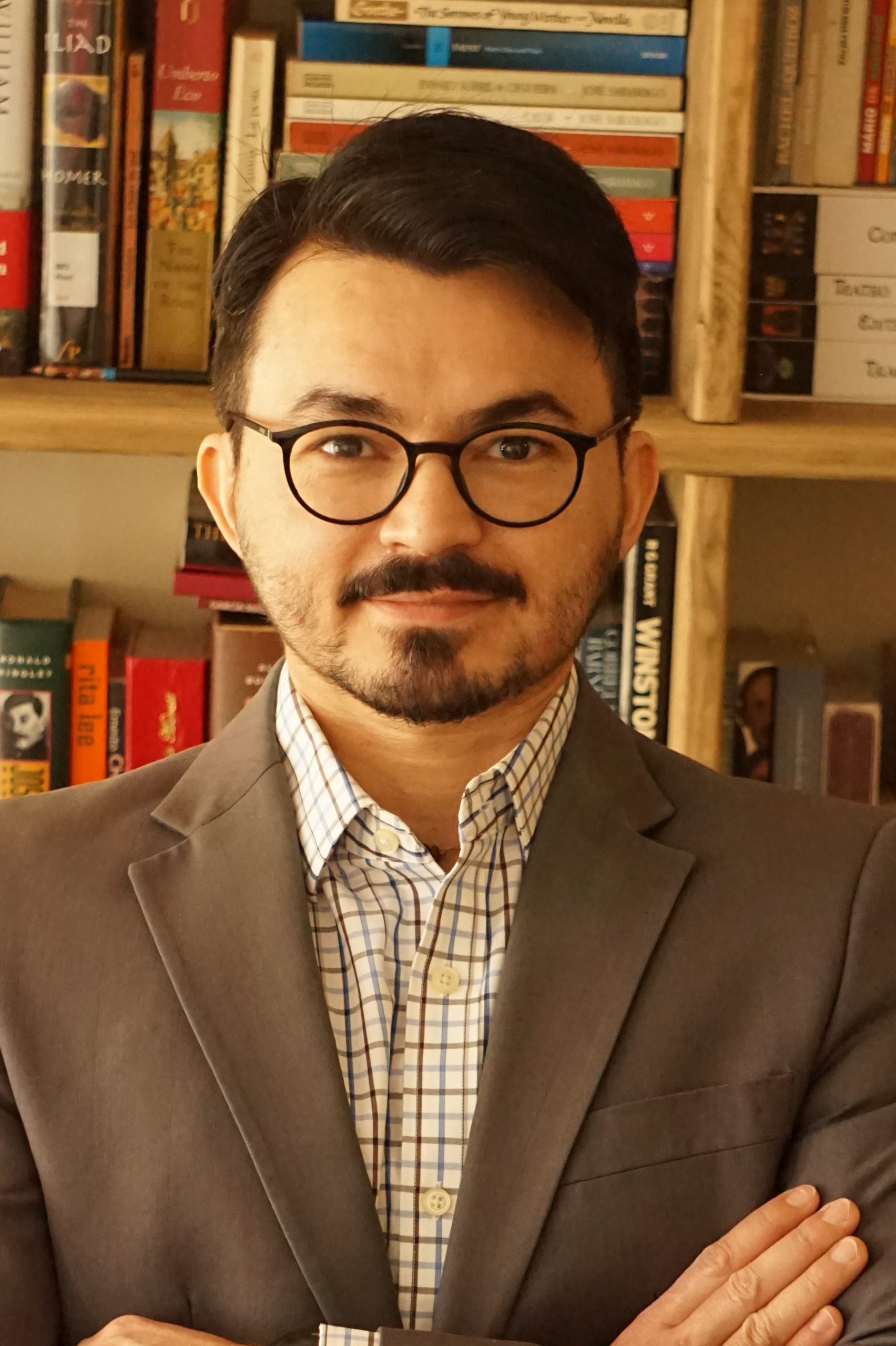
For over twenty years I have worked in the legal profession—first as a clerk and, for the past twelve years, as a lawyer. Throughout this time, I became increasingly interested in how judicial decisions are shaped by the profiles of the judges who render them. In 2018, I decided to take these questions into academia. I began a Master’s degree in Constitutional Law and Political Theory, where I developed a strong interest in models of judicial recruitment. My dissertation examined the Brazilian appointment system through a quantitative study of judges’ profiles. Building on that foundation, my doctoral research now extends the analysis to the Canadian judiciary, where I am investigating how the profile of judges relates to patterns of appointment in a different legal culture.For over twenty years I have worked in the legal profession—first as a clerk and, for the past twelve years, as a lawyer. Throughout this time, I became increasingly interested in how judicial decisions are shaped by the profiles of the judges who render them. In 2018, I decided to take these questions into academia. I began a Master’s degree in Constitutional Law and Political Theory, where I developed a strong interest in models of judicial recruitment. My dissertation examined the Brazilian appointment system through a quantitative study of judges’ profiles. Building on that foundation, my doctoral research now extends the analysis to the Canadian judiciary, where I am investigating how the profile of judges relates to patterns of appointment in a different legal culture.
Research
The research focuses on systems of judicial recruitment. More specifically, it examines the appointment process in Brazil and Canada. The central question it seeks to answer is: to what extent do judges’ profiles correspond to the democratic expectations of diversity placed upon public institutions, among which the judiciary is included?
The answer to this question is developed in two parts, one theoretical and the other empirical. First, it undertakes a study of the legal frameworks and selection procedures for judges in both countries. From there, it moves on to a quantitative analysis of the profile of judges in both contexts—state judges in Brazil and federal judges in Canada.
Theoretical references for this study are numerous, but two stand out: Eugenio Raúl Zaffaroni’s model of the evolution of judicial systems and Pierre Bourdieu’s theory of elites. The former helps determine the degree of sophistication of a judicial system based on how it recruits its judges, while also outlining the democratic demands placed upon the contemporary judiciary. The latter exposes the mechanisms that resist the democratization of institutions, while at the same time pointing to ways of promoting diversity within them—which is the ultimate aim of this research.